December 14, 2020

Siddharth Shanghvi’s Loss: Three hauntingly beautiful essays on grief


‘It’s the phone call you dread – yet fully expect.

‘Papa passed away,’ my sister said through muffled sobs. ‘He died’ she repeated, as if I might not have understood her the first time around.’

 ‘Loss by Siddharth Dhanvant Shanghvi’ opens with the most brutal sentence no one wants to hear. I have gone through this experience. I lost my mother in an accident (2009). I received the call, and was left with numb heart, and her innocent promise that, I will never leave your side.

 At first, this little book behaved as a ‘Kataar’, slashing through me, inch by inch and pain echoed in flashes. It became a warm sky eventually, where could I actually breathe.

In his book, Siddharth Shanghvi meditated over myriad of moments, vulnerable and intimate. Writing is crisp and elegant. The way author used metaphors is beyond any praises, “Considering death is like plunging your hand into pond: encountering shapes you cannot name…”

I have been amazed how author recollected the pieces of his broken soul and woven them into words with such precision. It takes certain amount of courage to write about your pain and longing.  

“When we lose an intimate, two deaths occur. The first is the formal, physical death of the person. The other death is of the person we were around them.”

Basically, ‘Loss by Siddharth Shanghvi’ is consist of three essays, documentation of three deaths, along with few photographs.

“To write was to help someone else erase some part of their pain. This was the first motive for all my writing. It remains so.”  

In first section, Siddharth Shanghvi reminisces about his father, Mr. Dhanvant, a fiery independent being, and to watching him to struggle with cancer and later, loneliness.

Author remembered the small ordinary moments with him, as how his father keeps aside all the good reviews of his books, he never forget to give company to his son to the dentist’s chair, and dropping him at school was his morning routine.

“In the end, the only thing we can do for anyone, beyond loving them, is simply to acknowledge them as they are, for who they are, even if it is to let them go from our lives.”

Here, author decoded many facets of life as, ritual of going temple, The Antyeshti sanskar, and urgent need of mourning space.

In second section, Siddharth Shanghvi talks about his dog, Bruschetta. ‘Maybe dogs know this trick, a sleight of paw as it were, they can hack into our loneliness, pry it open like a lock, decode its inner machinery, lay it bare, make us believe we were never teetering into the wrong side of alone.’ he writes.

The day Bruchetta comes into his life and the day he leaves, unforgettable imageries, lingers to your mind.

Siddharth analyzed the eternity of pain and marked some findings, “when will it all be done? But I cannot put myself down, I cannot euthanize the experience that deadens me.”

The essence of this essay is, “Grief is not a record of what has been lost but of who has been loved.”


Besides words, Author included some exquisite photographs to this collection. In a photo, Ariel shot shows his father at the head of a long lonely dining table. Another frame portrays the melancholy of empty house. There was one shot of stairs which leads to nowhere, and a memory of his four-legged angel peeking through the grill.

“Loss” embraced my soul from the beginning but the third section of the book about his mother, Padmini, just left an indelible impact on me.

It begins with pondering over a question of life, “Could someone else die for you, or could this idea be expanded to mean that you die when someone does?”

I am in awe of his words, and powerful imagery, author picked to describe his mother “In the blinking darkness of the ambulance I accounted all that was still intact, unchanged, prime among them my mother, unbreakable, indivisible, a sage of losses, a graduate from the university of untold suffering.”

Here, author tells about her mother’s disease, difficult hospital trips, moving bed, long nights full of suffering,  Despite of having such mess around, she has strong  personality, “Who laughed her heart out, and briefly it seemed her many miseries grew silent and her laughter was louder than her sorrow- louder than all life. “

She sings a lullaby for her son, writes handwritten letters to her husband and weaves a poetry book for her own soul, Here, I am sharing a piece of her poem ‘Bhatkan’.  

जीयें तो कुछ ऐसे कि तन्हा न रहें हम,

जिनसे हैं, जिनके हैं, उन्हीं से जा मिलें हम।

And his mother’s advice “She told me to enjoy my fame but to never quite believe it. Write more. Read Read Read.

Word by word, this book dissects your very being and finds a hidden voice, longing for shore. Although, it is a short book, which hardly takes two days to finish, but this breathing tale will remain with you till eternity. Keep your loved ones close and this book even closer. Highly Recommended! 
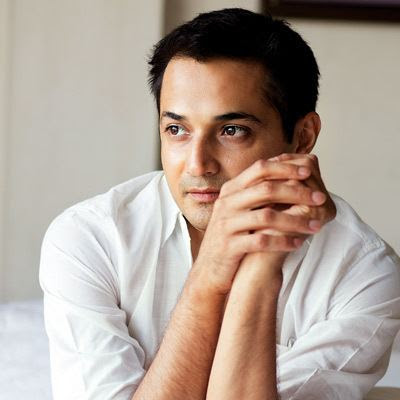


 About the Author

Siddharth Dhanvant Shanghvi's debut novel, The Last Song of Dusk, won the Betty Trask Award in the UK, the Premio Grinzane Cavour in Italy, and was nominated for the IMPAC Prize. Translated into 12 languages, The Last Song of Dusk was an international bestseller. Shanghvi has been voted: India Today's 50 Most Powerful Young Indians; Times of India's 10 Global Indians; Hindustan Times: 10 Most Creative Men; Sunday Times UK: The Next Big Thing; New Statesmen UK: India's Ten Bright Lights; Elle Magazine's 50 Most Stylish People. Shanghvi's new novel, The Lost Flamingoes of Bombay, was nominated for the Man Asian Literary Prize 2008.

Connect: Twitter | Instagram | Facebook 


P.s. Can't Thank you enough Vivek Tejuja and HarpercollinsIndia for the copy. 


November 06, 2020

Ratno Dholi: Best Short Stories of Dhumektu Translated by Jenny Bhatt - Gripping tales of Human psyche


Title: “Ratno Dholi: The Best Short Stories of Dhumketu
Translated by Jenny Bhatt
Publisher: HarperCollins India
Paperback: 324 pages  
ISBN: 978-9390327782

“Stefan Zweig once wrote about Tolstoy ‘one who sees so much and so well does not need to invent, one who observes imaginatively does not need to create imagination’. This is also an apt description of Dhumketu’s art and craft”

After reading translated works of Vijaydan Detha, Mahasweta Devi, Ambai, Vivek Shanbhag and Sachin Kundalkar , I often feel a certain hunger for literature linked with our regional languages. Glimpses of particular state, Usage of colloquial words, their nuances and culture, evolve us as a reader, more than that ─ a better human being.  

It is not an easy task to explore the diversity of Indian literature without the selfless efforts of our translators. In 2018, Jenny Bhatt, the translator of “Ratno Dholi: The Best Short Stories of Dhumketu” announced this project on twitter. Frankly, I never heard of ‘Dhumketu’ till then, and while I have been exploring author’s world now, Dhumketu seems even more relevant in an absorbing translation.

Dhumketu had contributed more than 500 short stories, collected in 24 volumes.  In his rich canon of work he explored the internal struggles of characters with compassionate eye, how their conscience dealt with unwanted situations, differences of caste and gender, and heartfelt experiences of navigating one’s life into small town.

Although most of his stories are set in rural Gujrat, yet themes are based on all kind of social strata. Besides of that, he broke many stereotypes, while introducing independent-minded women and emotionally sensitive men to the literature, well ahead of his time.

Also, it is fascinating to take a glance on writer’s journey, “Early in his teaching career, Gaurishankar Govardhanram Joshi was assigned the task of reading biographies and historical novels to a nobleman’s wife – an activity that fed both his reading habit and writing aspirations.

The adoption of ‘Dhumketu’, meaning comet, came later during his university years of trying and failing (initially), to get his early short stories published. “

Here is handful of stories, closest to my heart.

In the title story “Ratno Dholi,” a beautiful relation is withered out due to people’s assumptions, inner rage and hollow doubts. With two protagonists, Dhumketu had woven an unforgettable tale of diminishing love.   

“Ratno Dholi told this dhol and its sticks all the secrets of his heart. It was as if he had no words to say to or before men. If he wanted to say anything – make merry, cry, express his happiness, show his disappointment, reveal his hopes – whatever he wanted to say was through this dhol.

He was intrigued too. When the dhol and sticks were separated, they meant nothing, and when they came together, there was a language. What was this? He had become a child of the dhol. Without the dhol, Ratno was as if without his soul.”

 Another story “Tears of the Soul,” sets in an era of kings and courtesans, how a breathing person forced to do a certain job, and yet she survived all, that too on her own terms, a brilliant read on human psyche, “In this world, things by themselves are unchangeable, untainted. Only emotions make them holy or unholy.”

In “The Rebirth of Poetry,” author introduces an intriguing character, who lives in his fantasy world, where things run at certain pace. With enigmatic prose and strange human condition, it seemed thought-provoking tale.  

“You are asking for dreams? You want to talk about things that do not exist? Dance, music, art, poetry, literature – haven’t these intoxicants made beggars of you in the past? You are asking for it again today?

We may well become beggars again, but the poverty of this emotionless life is unbearable. Instead of making us strong like thunderbolts, you are making us dull as inanimate objects?

With voices that pierced the skies, the people said only one thing. Do not turn us into emotionless machines. Give us dreams! They may well be false, they may well be vain! But when is life itself real?”

 “The Post-Office,” depicts the longing of a father who waited for his daughter’s letter throughout his life, and how his expectation fulfilled in the end. This story dangled between hope and despair.

“One day, Ali sat under a palash tree and cried his heart out. From that time on, he would awake at 4 a.m. every morning to arrive at the post office. There was never a letter for him but, with fervent devotion and hope-filled cheer that his daughter’s letter would arrive one day, he always showed up before anyone else and sat waiting outside the post office.”

Besides of all these beauties, I recommend more stories for their detailed observation of surroundings, Dhumketu’s lyrical prose and unique approach to depict nature’s beauty. Some readings were really mesmerizing.

“Psychology is a dear subject of mine and, when it comes to the weakness of emotions, without understanding half of it, mixing some philosophy and to conceal my own foolishness. I scribble a lot. So, now I was making just such jottings.” (Anaami)

 “Like a star falling from the sky, he arrived in the village on a night overcome with darkness, with calm, noiseless feet, in an imperceptible way.” (Unknown Helpers)

“On a moonlit night, when both its water-filled lakes look like serene skies and begin to make the night lotuses sway lovingly, that vision is one of life’s invaluable privileges. In the slow and gentle ripples of the breeze, the waters of both peaceful lakes do a twinkling dance, like some divine beauty’s smile.” (Svarjogi)

“Clouds lay like heaps of cotton in the valleys between those hills and their long rows filled those valleys as if a flowing river had stopped and frozen there. Several stray clouds rested in the laps of the hills, like children in a comfortable, deep sleep.” (The Queen of Nepal)

Although, I loved the book, still felt bit distracted at some passages, due to lack of flowing sentences And Jenny Bhatt stated this point into introductory section very well,   

“Translation involves understanding and leveraging the subtexts, cultural implications and stylistic choices made by the original writer in language a so that they can be recreated in language b without losing any literary merit in terms of plot, story, dialogue, insight, action, character, setting, etc. it is about being a close reader in language a and a skilled writer in language b, both of which require deep cultural understanding, literary sensitivity, and a writer’s intuition.”

This collection of twenty-six stories of Dhumketu, translated in English by Jenny Bhatt, unfolded an era of memorable characters. With gripping themes and skillful craft, Dhumketu introduced his culture to Indian literature which he felt underrepresented during his time. These slices of human lives will surely linger long in the heart. I would certainly recommend this wonderful work. 

About the Author

Dhumketu was the pen name of Gaurishankar Govardhanram Joshi (1892-1965), one of the foremost writers in Gujarati and a pioneer of the short story form. He published twenty-four short story collections and thirty-two novels on social and historical subjects, as well as plays, biographies, memoirs, translations, travelogues, literary criticism, etc. Dhumketu was a contemporary of Rabindranath Tagore, Munshi Premchand and Saadat Hasan Manto, and his contributions to Indian literature are just as wide-ranging and groundbreaking.

Jenny Bhatt is a writer, translator and book reviewer. Her short story collection, Each of Us Killers, was critically well-received. Her writing has appeared in venues like The Atlantic, BBC Culture, The Washington Post, Literary Hub, Longreads, The Millions, Electric Literature, and others. Born and raised in Gujarat, India, she now resides in Texas, USA. 

Connect: Twitter | Amazon | Website

September 29, 2020

शिवानी के तीन उपन्यास: कालिन्दी, सुरंगमा, और श्मशान चम्पा


बीते कुछ महीनों से शिवानी जी की किताबें पढ़ रही हूँ। अपने जीवन-काल में उन्होनें हिन्दी साहित्य के लिए बहुत काम किया। शिवानी द्वारा गढ़े पात्रों की जीवन यात्रा से गुजरकर ये महसूस किया कि स्त्री संवेदना पर लिखी उनकी किताबों को एक के बाद पढ़ते जाना एक नशा ही है। शिवानी का लिखा मुझे किसी अल्पना सा लगता है, एक पात्र के जीवन से कैसे नया पात्र आत्मीय तरीके से जुड़ता है, और कहानी में नई परत खुलती है जो आगे जुडते हर पात्र के साथ पाठक के मन में जिज्ञासा पैदा करती है।

शिवानी ने ना किसी स्तर विशेष के लिए लिखा ना ही किसी एक विधि में, उनके पात्र कस्बों से लेकर महानगर के जीवन का अनुभव करते हैं, घरेलू जिंदगी से लेकर राजनीतिक जिंदगी का झरोखा दिखाते हैं, किरदारों की यही विविधता शिवानी के विशाल साहित्य को अत्यंत पठनीय बनाती है।

इसके पहले भी मैं उनके दो उपन्यास, चौदह फेरे और अतिथि के बारे में अपने ब्लोग पर लिख चुकी हूँ, यहाँ उसी सिलसिले को आगे बढ़ाते हुए शिवानी के कुछ और उपन्यासों का जिक्र करती हूँ।


कालिंदी

शिवानी के उपन्यास ‘कालिंदी’ में मुख्य किरदार डॉ कालिंदी एक आत्मनिर्भर लड़की है, जो जिंदगी में आई मुश्किलात से अकेले ही लड़ती आ रही है, अल्मोड़ा और कुमाऊँ अंचल के दृश्यों से सजा ये उपन्यास जहां कालिंदी जैसे सशक्त किरदार को आधुनिकता की सीढ़ी चढ़ते दिखाता है वहीं अपनी जड़ो के लिए उसके लगाव को भी बखूबी पेश करता है, अपने आत्मसम्मान को ऊपर रखकर कालिंदी जिंदगी के कुछ ऐसे निर्णय लेती है जो उसकी जीवन राहों को ऊबड़-खाबड़ बना जाते हैं, एक लड़की आर्थिक रूप से स्वतंत्र होने पर भी समाज की उन पुरानी मान्यताओं के चलते कितनी विवश होती है, जीवन का यही पहलू दर्शाता नॉवेल है कालिंदी

कैसा अद्भुत शहर था तब अल्मोड़ा! नवजात शिशु की देह से जैसी मीठी-मीठी खुशबू आती है, वैसी ही देहपरिमल थी उस शहर की। देहरी में गुलाबी धूप उतरते ही दादी कटोरी में गर्म तेल लेकर, दोनों पैर पसार उस पर उसकी नग्न गुलगोथनी पुत्री को लिटा, रगड़-रगड़कर उबटन लगातीं,

अरी अन्ना, दान किए हैं तूने, ऐसी सुन्दरी राजरानी चेहड़ी (लड़की) को जन्म दिया है-ऐनमैन अपनी नानी पर गई है, ऐसा ही दूध का सा उजला रंग था तेरी माँ का, पर तेरे बाप ने इसका नाम कालिंदी क्या देखकर रखा? कालिंदी का जल तो काला होता है, क्यों? और फिर हमारे यहाँ कहते हैं, लड़की का नाम नदी या नक्षत्र पर नहीं रखना चाहिए, कमला रख दे इसका नाम साक्षात कमला ही है।क्या नाम बदलने से ही लड़की का भाग्य बदल जाता ?”


सुरंगमा  

शिवानी का उपन्यास सुरंगमा उनके अन्य उपन्यासों की ही तरह स्त्री किरदार के दूसरे पहलू की झलक लिए है, किताब की शुरुवात में सुरंगमा को एक मिनिस्टर के घर पर कुछ हिचकिचाहट के साथ खड़ा दिखाते हैं, प्रयोजन है मंत्री की बेटी के लिए ट्यूशन टीचर के तौर पर काम करना, दोनों तरफ से बात न बनते हुए भी बन जाती है, सुरंगमा जो एक बैंक में काम करती है, ये ट्यूशन का काम अपनी आर्थिक स्थिति के चलते करना मंजूर कर लेती है, अपने माता-पिता के आपसी रिश्तों का सुरंगमा के मन पर कुछ ऐसा प्रभाव पड़ता है कि वो ताउम्र विवाह की डोर में ना बंधने का फैसला लेती है लेकिन  मंत्री जी के सामने उसके सारे फैसले जैसे विवश हो जाते हैं, अपने आत्मसम्मान को बनाए रखते हुए वो क्यूँ इस रिश्ते में पड़ती है? अपने पिता की सारी कमियों के वाबजूद वो क्यूँ उनसे नफरत नहीं कर पाती? शिवानी के द्वारा रचा ये किरदार वाकई एक ग्रे शेड लिए है, फिर भी मन में ठहरता है, सुरंगमा से ज्यादा उनकी माँ का जीवन भी कितना विचित्र है, एक शाही परिवार में जन्म लेने के बावजूद जिंदगी भर असहाय बने रहना , अपने से दुगनी उम्र के म्यूजिक ट्यूटर के साथ भाग के शादी करना और फिर वहाँ से भाग कर, एक ईसाई की शरण पाना, जिंदगी कितनी उलझनों भरी होकर भी एक आस साथ लिए चलती है, शिवानी के पात्र यही सीखाते हैं, हार को परे ढकेल,  हम कैसे दोहरा जीवन जीते चले जाते हैं?

“नाम तो आपका बड़ा सुन्दर है मिस जोशी, ऐसे नाम तो पहाड़ियों में कम होते हैं। मैं भी पहाड़ी हूँ, शायद आप जानती होंगी! क्यों?

वह फिर हँसा, उसकी हँसी प्रत्येक बार उसके ग्लान चेहरे पर सौ पावर का बल्ब-सा जला जाती थी। किन्तु पहली हँसी से कितनी भिन्न थी यह दूसरी हँसी! लाल क्लान्त आँखों का घेरा भी उस हँसी ने ऐसे संकुचित कर दिया कि एक पल को सुरंगमा को लगा, उसकी आँख भी हँसी से सवेरे प्रश्न के साथ-साथ कुटिल भंगिमा में मुँद गई है! उसका कलेजा काँप उठा, यह तेज नरपुंगव का था या नरभक्षी का!

‘जी, मेरे पिता पहाड़ी हैं, माँ बंगाली थीं,’कहने के साथ ही उसकी हथेलियाँ पसीने से तर हो गईं। एक माह पूर्व यह प्रश्न पूछा जाता तो उत्तर यह नहीं होता माँ के लिए तब वह क्या भूतकाल का प्रयोग करती? किन्तु माँ होती तो वह इस अवांछित इंटरव्यू के लिए यहाँ आती ही क्यों?


श्मशान चम्पा

शिवानी का उपन्यास श्मशान चम्पा, अपने शीर्षक से ही बहुत कुछ कहता है, ये एक मार्मिक कहानी है, मुख्य किरदार चम्पा आत्मविश्वासी होने के बावजूद जिंदगी में अनिश्चय की गांठ नहीं सुलझा पाती, असली जंग पिता की मृत्यु के बाद शुरू होती है, छोटी बहन से मिला झटका उसको तोड़ देता है वो एक एकांत की तलाश में घर से दूर चली जाती है जहां उसे कोई नहीं पहचानता, लेकिन उसका अतीत वहाँ भी उसका पीछा नहीं छोडता, उसकी नियति उसके लिए नित नए शिलाखंड तैयार करती दिखती है, ये एक छोटा उपन्यास है लेकिन कहानी की खूबसूरती इसके आकार से बिलकुल प्रभावित नहीं होती, अंत सुखद न होने के बावजूद शिवानी का ये उपन्यास बेहतरीन है और दिल में जगह बनाता है।

‘क्या देख रही हो ऐसे ममी?’ हँसकर उसने पूछा तो भगवती ने यत्न से ही अपनी सिसकी को रोक लिया था। कैसा अपूर्व रूप था इस लड़की का! न हाथ में चूड़ियाँ, न ललाट पर बिन्दी, बिना किनारे की सफेद लेस लगी साड़ी और दुबली कलाई पर मर्दाना घड़ी, यही तो उसका श्रृंगार था, फिर ही जब यहाँ अपनी पहली नौकरी का कार्यभार सँभालने आई तो स्टेशन पर लेने आए नारायण सेनगुप्त ने हाथ जोड़कर भगवती को ही नई डाक्टरनी समझ सम्बोधित किया था, ‘‘बड़ी कृपा की आपने, इतनी दूर हमारे इस शहर में तो बाहर की कोई डाक्टरनी आने को राज़ी ही नहीं होती थीं। एक दो आईं भी तो टिकी नहीं। पर आपको विश्वास दिलाता हूँ, हम आपको किसी प्रकार का कष्ट नहीं होने देंगे’  

‘डाक्टरनी मैं नहीं हूँ, मेरी पुत्री चंपा आपके अस्पताल का चार्ज लेगी।हँसकर भगवती ने कहा, तो सेनगुप्त उसकी ओर अविश्वास से देखते ही रह गए थे। यह लड़की क्या उनके उस विराट अस्पताल का भार सँभाल पाएगी? एक-एक दिन में कभी सात-आठ लेबर केसेज़ निबटाने पड़ते थे पिछली डॉक्टरनी को, इससे वहाँ कोई टिकती ही नहीं थी और फिर क्या उस सुन्दरी डॉक्टरनी का मन उसे रूखे शहर में लग सकता था? किन्तु चंपा को तो ऐसे ही जनशून्य एकान्त की कामना थी। उसे वह अपना छोटा-सा बँगला बेहद प्यारा लगा था। छोटे-से अहाते में धरे क्रोटन के गमले, लॉन में बिछी मखमली दूब और एक-दूसरे के गुँथे खड़े दो ताड़ के वृक्षों की सुदीर्घ छाया ! पास में ही दूसरा बँगला था डॉक्टर मिनती घोष का। वही उसकी सहायिका डॉक्टरनी थी। बड़ी-बड़ी आंखें, बड़े-बड़े जूते और विकसित देहयष्टि, उस रोबदार डॉक्टरनी के सम्मुख चंपा और भी बच्ची लगती थी’  

शिवानी की किताबें किसी एडिक्शन जैसी है वहीं मुझे उनकी कहानियों में सिर्फ एक बात खलती है जो शायद उस वक्त में सामान्य मालूम होती होगी, कहानी के किरदारों का शारीरिक वर्णन, अगर स्टीरियोटाईपिंग के उस पहलू को नजरंदाज कर दें तो शिवानी का लिखा एक जादू जैसा है, जिसके मोहपाश से हिन्दी पाठक बच ही नहीं सकता।

August 11, 2020

Anukrti Upadhyay’s Kintsugi: A Delicacy of Human Bonding


Title: Kintsugi
Author: Anukrti Upadhyay
Publisher: HarperCollins
Genre: Fiction, Indian Literature
Pages: 228 (Hardcover)
ISBN: 978-9353579531 

'That night, Leela lingered in Haruko’s room, leafing through her books as Haruko sat in silence, her eyes abstracted. ‘Jiji, what is this?’ She asked pointing at the picture of a terracotta-coloured bowl, deep and shaped like a cupped palm. The bowl had uneven golden lines running all over it.

Haruko glanced at the picture. ‘That’s a broken clay bowl mended with gold.’ Leela’s eyes widened. ‘Isn’t it beautiful? I had tried my hand at the art of Kintsugi in a ceramic class one semester.’

‘Not all vessels are meant to hold water, some are for allowing water to seep away.’ Haruko trailed a finger over the photograph. ‘Broken things are precious too’.

After finished reading Kintsugi by Anukrti Upadhyay, I meditated over each sentence I underlined before. Have you ever felt an urge to decode paragraphs, or just a quaint desire to enter into author’s brain, and catching way of observing images?  Upadhyay’s depth of seeing things turned this novel into breathing tale.

The moment I mentioned above, woven between two main protagonists Haruko and Leela, while one curious mind delves into an ancient art of Japan, the other one helps her to seeking beauty into imperfections.

If you read her previous work Bhaunri, you realize that Upadhyay brings fresh possibilities into storytelling. She has unique voice. Beautiful imagery is her core strength. Along with reflections of ethereal landscapes, she depicts the serenity of trees, animals and mountains.  

Basically, Kintsugi is an art of mending broken objects with gold and lacquer. I loved how Upadhyay takes this Japanese art as a metaphor and weaves interlaced characters around it. Not a single character is heroic yet powerful.

Kintsugi, is the third novel of Anukrti Upadhyay, sets in Japan and Jaipur. With such brilliance she flickers between many characters. She explored their inner world without losing the interest of reader. Isn’t it delightful to have perspective of every character?

I felt sitting in a room with several windows. Each window provides a glimpse of character’s journey and resonated emotions love and despair as well.

Prakash pointed to the tall stacks of crisp honey-colored discs on display in the sweet shops. These are Ghevars ̶ sweets for teej, the rain festival. It is a special festival for women.

Kintsugi begins with a fascinating bond between two strangers, Haruko and Dr. Prakash. Haruko, a Japanese artist, who has devoted her life to her work, ‘It is a great feeling, to be entirely there, focused on a single purpose.

She comes to India with the aim of learning craft, tradional Jaipuri ornamental work into gold and silver. Meanwhile, an accident brings her to hospital and there she meets Dr. Prakash, they started sharing personal talks, lunchbox along beautiful bond. And then a rainy night changed all the dynamics of their relationship. Haruko is an emotionally balanced person yet it is hard to solve the puzzle of human heart. 


Besides Haruko’s, Kintsugi contains an engrossing journey of Leela. She grew up in an orthodox family of Jaipur.

‘You know  the gaddi must be at rest when day and night come together, No one should touch their tools of trade when the two times meet.’

Her father Madanji, a well known Kundansaaz owns Gaddi (Jeweler Shop) into narrow streets of Jauhari Bazar. Haruko, the Japanese artist works under him only. After meeting with Haruko, Leela realized her passion towards art, she didn’t ignore the calling and eventually absorbed into it. In spite of old beliefs of her family, she wanted to be recognized as Kundansaaz like her father.  

‘She has always been like this when she was a small girl, changing from day to day, always doing as she pleased. One day she would want someone to hold her hand and help her cross the narrow rain water drain in the courtyard, and the next day she would shake her sisters’ hands off and run to the school in the main bazaar on her own.’

She is hard working and knows how to fight for her identity. When society opposes she fiercely deals with it, ‘They think I am only a girl, they don’t see the quality of my work’

I really enjoyed the quirky moments between Leela and her tenant. She doesn’t feel any regret of having desires, and when circumstances changed she doesn’t even think twice before getting rid of it.

‘Is all this so important, Leela? Is it so important to be a sunar?’

‘There is nothing more important,’ she said.

Frankly, It takes courage to write something on Anukrti Upadhyay’s work. In a way I don’t want to spoil beauty, book provides itself. I feel closer to these two characters.

‘Yuri smiled a half smile, her cheeks were flushed. ‘My real mother used to say that mountains are like beautiful strangers -  you desire them but cannot know them.’

‘she used to take me up and down the mountain roads on her bicycle, in a little basket seat, singing songs about their timeless beauty.’

On the other note, the chemistry between Yuri and Meena, touches the depth of human psyche. And After meeting Hajime, She questioned on her life choices.

Anukrti Upadhyay analyzed so many facets of life including Death, Mental illness, cultural differences, loosing of bonds, sense of belonging and alienation. She worked on each emotion with sensitivity.

‘Death bewildering, It is always a jolt when viewed up close, the way it erases things which seemed so permanent and yet leaves other things behind but we must live with death.’

I relished Kintsugi to the core. This gripping novel soothes the soul and gripping as well. I would certainly recommended to it. Show much love to this beauty. 

About Author


Anukrti Upadhyay has post-graduate degrees in Management and Literature, and a graduate degree in Law. She writes in both English and Hindi. She stunned readers and critics alike with the twin novellas Daura and Bhaunri in 2019, and delighted Hindi readers with short story collection Japani Sarai.

 Amazon: Kintsugi by Anukrti Upadhyay

Contact: Twitter | Facebook | Instagram


April 08, 2020

Translated Literature: Book Recommendations

Painting of Willard Leroy Metcalf : The Convalescent, 1904


“Once you overcome the one-inch tall barrier of subtitles, you will be introduced to so many more amazing films,” said Bong Joon-ho, Director of Parasite. Same goes with Translated Literature. I love them, and they're always on my radar. Although, I am not a well-read person, still made a list of my favourite ones. Hope it may help you to decide your next pick. Happy Reading! 


1. Ghachar Ghochar by Vivek Shanbhag (Tr. Srinath Perur)
2. Affections by Rodrigo Hasbun (Tr. Sophie Hughes)
3. Mother of 1084 by Mahasweta Devi (Tr. Samik Bandyopadhyay)
4. The Notebook by Agota Kristof (Tr. Alan Sheridan)
5. The Shadow of the Wind by Carlos Ruiz Zafón (Tr. by Lucia Graves)
6. Convenience Store Woman by Sayaka Murata (Tr. Ginny Takemori)
7. The Vegetarian by Han Kang (Tr. Deborah Smith)
8. Cobalt Blue by Sachin Kundalkar (Tr by Jerry Pinto)
9. In a Time of Burning by Cheran (Tr. Lakshmi Holmström)
10. The Unbearable Lightness of Being by Milan Kundera (Tr. Michael Henry Heim)
11. Abandon by Sangeeta Bandyopadhyay (Tr. arunava sinha)
12. Other Colors: Essays and A Story by Orhan Pamuk (Tr. Maureen Freely)
13. A River Dies of Thirst: journals by Mahmoud Darwish, (Tr. Catherine Cobham)
14. Pedro Páramo by Juan Rulfo (Tr. Margaret Sayers Peden)
15. Lifting The Veil by Ismat Chughtai (Tr. M. Asaduddin)
16. Bonsai by Alejandro Zambra (Tr. Carolina De Robertis)
17. Here by Wis
ława Szymborska, (Tr. Stanisław Barańczak & Clare Cavanagh)
18. Marrow by Yan Lianke, (Tr. Carlos Rojas)
19. 33 Revolutions by Canek Sánchez (Tr. Guevara, Howard Curtis)
20. The Beach at Night by Elena Ferrante (Tr. Ann Goldstein)
21. Letters to a Young Poet by Rilke (Tr. Reginald Snell)
22. The House in Smyrna by Tatiana Salem Levy (Tr. Alison Entrekin)
23. The Stranger by Albert Camus (Tr. Matthew Ward)
24. Sputnik Sweetheart by Haruki Murakami (Tr. Philip Gabriel) 


December 05, 2019

शिवानी के दो उपन्यास: चौदह फेरे और अतिथि


कुमाऊँ की पहाड़ियों का जिक्र आते ही मन में शिवानी का नाम गूंजने लगता है, जैसे ये दोनों एक दूसरे के पूरक हों। गौरापांत शिवानी उत्तराखंड की लेखिका के तौर पर हिन्दी साहित्य में अपना अलग मुकाम रखती हैं, उनका लिखा पाठक को सम्मोहन में बांधता है, उनके नारी पात्र विस्मित कर जाते हैं, सहज और पारदर्शी भाषा, जैसे आकाश में बहते उजले बादल, पात्रों के अन्तर्मन की उड़ान जैसे धवल सारस।

उनके लिखे से मेरा परिचय उपहार स्वरूप मिली किताब “चल खुसरो घर आपने से हुआ, साधारण परिवेश में पले-बढ़े पात्रों के बावजूद उनका संसार व्यापक है, हर पात्र एक यात्रा पर होता है, यात्रा जो मन के अंदर चलती है, भावुक और संवेदनशील होने के साथ उनके नारीपात्र स्वाभिमानी होते हैं, अपने जीवन मूल्यों को तजरीह देते हुए वो संघर्ष से कतराते नहीं, आजाद खयाल और अपनी जड़ों से जुड़ाव को शिवानी जी ने अपने पात्रों के जरिए क्या खूब उकेरा है, वो चेहरे के भावों का भी इतना सजीव चित्रण करती हैं जितना आस पास के वातावरण का, जैसे मधुबनी पेंटिग्स का कलाकार बारीक काम करता है उसी तरह छोटी छोटी डिटैल पढ़कर लगता है जैसे ये सिर्फ कहानियाँ नहीं, जीती जागती दुनिया हो, जो हमारे अस्तित्व से परे भले है लेकिन कहीं न कहीं अपना वजूद रखती है, यही भरोसा शिवानी जी के लेखन को असीम ऊंचाई पर खड़ा करता है, आम बोली की मिठास लिए उनके पात्र मन में घर कर जाते हैं, किस्सागोई में पारंगत शिवानी जी की दो दर्जन भर किताबों में से मुझे चल खुसरो घर आपने, मायापुरी, चौदह फेरे और अतिथि पढ़ने का अवसर मिला, कृष्णकली और बाकी उपन्यासों को भविष्य में जरूर पढ़ना चाहूंगी। यहाँ हाल ही में पढे दो उपन्यासों का जिक्र कर रही हूँ, जो मुझे बेहद पसंद आए।

चौदह फेरे


“ऐसी ही भारत की रहस्यमयी रोप ट्रिक-सी है तुम्हारी सखी अहल्या । उसके स्वभाव का कौन-सा भाग सत्य है और कौन मिथ्या, यह मेरे लिए एक अबूझ पहेली ही रही है। । कभी वह अनोखी आत्मीयता से निकट खिंच आती है और दूसरे ही क्षण कटी पतंग की तरह हवा में दूर उड़ जाती है”

शिवानी जी को ख्याति इसी उपन्यास से मिली, चौदह फेरे एपिसोड्स के रूप में सबसे पहले धर्मयुग पत्रिका में छपना शुरू हुआ था, किताब का शीर्षक पाठक के मन में जिज्ञासा पैदा करता है जिसका मर्म किताब के आखिर में पता चलता है, चौदह फेरे की मुख्य पात्र अहिल्या का जन्म अलमोड़े में होता है लेकिन परिस्थितियों के चलते उसके पिता उसे बोर्डिंग स्कूल, ऊंटी भेज देते है।

माँ से बचपन में ही अलग हो जाने वाली अहिल्या अपने पिता की एक महिला दोस्त, मल्लिका की संगत में रहकर बड़ी होती है, मॉडर्न परिवेश में पाली अहिल्या का रिश्ता उसके पिता अपने ही समाज में करना चाहते हैं, वो बिटिया को किसी बेशकीमती हीरे सा छुपाए, अपने कुमाऊँ अंचल में लौटते हैं, वहीं से अहिल्या की जिंदगी में नया मोड़ आता है, नए पात्रों का जिंदगी में आना, अनछुए एहसासों का मन में जगह बनाना, हिमालय जाकर एक आश्रम में वासित अपनी माँ से मिलना, प्यार के कहे-अनकहे के बीच अपने मन को समझाना, प्यार में पड़े दिल की उलझनें, और उन्हे सुलझाने की कोशिश, शिवानी जी ने अल्हड़ खूबसूरती से रचा है ये उपन्यास “चौदह फेरे”

अतिथि 


शिवानी जी के उपन्यास अतिथि का कथानक शुरुवात में किसी बॉलीवुड मूवी का भ्रम देता है लेकिन धीरे धीरे इसकी प्याजी परतें खुलती है और पाठक का मन ऊन के गोले सा पात्रों के साथ बंधता चला जाता है, इस उपन्यास की मुख्य पात्र जया सरल और स्वाभिमानी लड़की है, सरकारी मास्टर की बेटी आत्म-सम्मान को सर्वोपरि मानती है।

जया के कॉलेज में हुए एक जलसे के दौरान, प्रदेश के मंत्री माधव  बाबू  जो की जया के पिता के बचपन के साथी भी थे, जया को देखते है और मन ही मन उसे अपने बेटे कार्तिक के लिए पसंद कर लेते हैं, माधव बाबू के घर में एक गरीब घर की बेटी लाने के उनके विचार पर शीत युद्ध सा छिड़ जाता है, माधव जी बिना किसी की परवाह किए, बिना बाह्य आडंबर के जया को शादी कर अपने घर ले आते हैं, जया के परिवार वाले शुरू में इस रिश्ते को पसंद नहीं करते, कार्तिक के चरित्र को लेकर जो अपवाहें फैली हैं उससे उनका मन संशय से भरा रहता है, लेकिन माधव जी के यकीन दिलाने और कार्तिक का बार बार जया से मिलने की कोशिशें, इस रिश्ते को एक जमीन दे देतीं है, माधव बाबू के घर के सदस्यों की रजामंदी न होने पर जया को कैसे अपने ससुराल में नीचा देखना पड़ता है कैसे वो स्वाभिमानी लड़की अपने वजूद के टुकड़े समेटे आगे की जिंदगी की राह खुद तलाशती है, कैसे माधव जी को जानते बूझते की गई अपनी गलती का पश्चाताप होता है। उपन्यास का हर एक पात्र जीवंत हर एक एहसास जिया हुआ महसूस होता है, शिवानी की दुनिया जितनी स्वाभाविक है उतनी ही संघर्षों से भरी, यहाँ दुख है और अकेलापन भी, इसके बावजूद कोई भी पात्र बेबस लाचार नहीं है, अपनी जिंदगी को अपनी शर्तों पर जीना जानता है, जहां संस्कारों को मानता है, वहीं बेबुनियाद रूढ़ियों को तोड़ता भी है।  

राजनैतिक कलह, पारिवारिक मनमुटाव और दो विपरीत विचारधारा वालें लोगों का मेल, इनही ताने-बानो के बीच बुना है शिवानी का ये उपन्यास “अतिथि”

चौदह फेरे और अतिथि दोनों ही उपन्यास राधाकृष्ण प्रकाशन से हैं, साथ ही किंडल वर्जन में भी उपलब्ध हैं। 

December 04, 2019

Rilke's Letters to a Young Poet । Notes


रिल्के से मेरा परिचय उनकी किताब ‘लैटर्स टू अ यंग पोएट” से हुआ था। तब किताबें पढ़ना शुरू किया था साहित्य की असीम सतहों से वाकिफ़ नहीं थी। लेखकों की लंबी फेहरिस्त में से कुछ ही नाम जानती थी। उस वक्त ये किताब एक तरह से जिंदगी से मिलवा गई, जैसे एक अधबने माटी के बुत को आकार देने की कोशिश हो रही हो।

किताब में रिल्के के लिखे ये दस ख़त ना जाने कितनों के लिए रहबर बन मुश्किल वक्त में उनके साथ खड़े हुए होंगे।

जीवन में लेखन और भविष्य को लेकर परेशान फ़्रांज काप्पुस, एक युवा कवि ने जब रिल्के से अपनी जिंदगी और कविताएं साझा की तो वे कहाँ जानते होंगे कि यही खत साहित्य जगत में रिल्के की पहचान बन जाएंगे। जब कोई रिल्के को पढ़ने के लिए सुझाव देता है तो यही कहता है शुरुआत उनके ख़तों से कीजिए।

जब काप्पुस अपने लेखन को लेकर संशय में थे और सेना में भर्ती होने का विचार कर रहे थे तब रिल्के से किए सवालात इन दस खतों में शामिल हैं। रिल्के ने ये नहीं सिखाया कि लिखा कैसे जाता है, उन्होंने लेखक होने के लिए जरूरी आत्मविश्वास के महत्व से अवगत कराया, वे एक ख़त में लिखते हैं

अपने भीतर जाइए। उस कारण को खोजिए, उस आवेग को ढूंढिए जो आपको लिखने पर विवश कर रहा है। इसे इस रूप में आंकिए कि क्या इसकी जड़ें आपके मन की गहराई तक पहुंच रही हैं? क्या आप दृढ़ता से कह सकते हैं कि यदि लिखने से आपको रोका गया तब मर जाएंगे? और सबसे बड़ी बात, रात के गहरे सन्नाटे में अपने आप से पूछिए: क्या मुझे लिखना चाहिए?

लेखन की शुरुआत करते दोस्तों को गूढ़ मंत्र सा देकर कहते हैं, “अपने दुःख, अपनी चाहतें, अपने विचार और किसी भी सुंदर चीज पर आपका यकीन, इन सभी पर लिख डालिए। उत्साह, विनम्रता और गंभीरता के साथ इनका वर्णन कीजिए। अपनी अभिव्यक्ति के लिए अपने आस पास की चीजों, अपने सपनों के दृश्य और अपनी स्मृति के विषयों का भी सहारा लीजिए।"

ख़्याति पाने के बाद अक्सर लेखक अपनी पहली सी बेबाक होकर लिखने की आदत खो बैठता है, इसी पर रिल्के ने सरल बात कही है “सच्चे कलाकार के लिए यह सबसे कठिन परीक्षा है कि वह अपने सद्‌गुणों से बेखबर रहे ताकि उसकी स्वछंदता बनी रहे।”

लेखक होना कोई ओहदा नहीं बल्कि एक जीवनशैली है, यही समझाईश रिल्के के एक ख़त में देखने को मिलती है -

“आप युवा हो और ज़िन्दगी शुरू करने जा रहे हो, आपसे अनुरोध करता हूं कि आप उन सभी मुद्दों पर धीरज रखें जो कि आपके हृदय में इस वक्त अनसुलझी स्थिति में हैं। सवालों के प्रति वैसा ही स्नेह रखें जैसे बंद कमरे में ताला लगा हो या फिर पराई भाषा में किताब लिखी हो। अभी तुरंत इनके जवाब मत तलाशिए। अभी आपको इनके उत्तर नहीं मिलेंगे क्योंकि वे आपकी समझ से परे हैं। बात अनुभव करने की है। अभी तो आपको सवालों के साथ जीना है।”

“एक आनंदित जीवन शैली को रूप देने और रचने की क्षमता शायद आप में विद्यमान है। उसे पाने के लिए अनुशासित रहें, पर जो आए उसे विश्वास के साथ स्वीकार करना सीखिए; जब वह आपकी स्वेच्छा और अंतर प्रेरणा से आए स्वीकार कीजिए और किसी चीज से घृणा न करें।”

लेखक की जिंदगी भी कितनी अबूझ है, जहां अकेलापन है जो जाने अनजाने उसे लेखन के क्षेत्र में धकेलता है वही उसे लीलता है वही उसकी लेखकीय क्षमता का पोषण करता है, काप्पुस जब अकेलेपन से जुड़े सवालात रिल्के के सामने रखते हैं तो रिल्के जवाब में लिखते हैं:

मेरे प्यारे दोस्त, अकेलेपन को गले लगाकर उसे प्यार कीजिए। उसका दर्द सहना सीखिए और उसके संग गुनगुनाइए। आप कहते हैं कि जो आपके अज़ीज़ हैं वे आपसे दूर हैं। इससे यह प्रतीत होता है कि आपका विस्तार बढ़ रहा है तब आपको लगेगा कि आप इतनी दूर चले गए हैं मानों सितारों में से एक हैं। आपका क्षितिज काफी विस्तृत हो चुका है। अपने इस विकास का आनंद मनाइए, इसमें कोई अन्य शामिल नहीं हो सकता।

अकेलापन और आंतरिक एकांत बहुत ज़रूरी है। आपको घंटो अपने भीतर रहने और किसी से न मिलने की स्थिति को पाने की कोशिश करनी चाहिए।

कई लेखकों के आगे यह समस्या रही है कि वो समाज से दूर रहकर भी समाज में बने रहने की चाह रखता है, इस उलझन पर रिल्के अपना मत रखते हैं:

आपसे बिछुड़ गए हैं उनके साथ अच्छा बर्ताव करिए और उनकी मौजूदगी में शांत एवं आत्मविश्वास से पूरित रहिए। अपनी शंका से उन्हें दुःखी मत कीजिए और अपने विश्वास और उल्लास से उन्हें चकित भी मत कीजिए क्योंकि वे उसे समझ नहीं पाएंगे। उनके साथ ऐसा सरल रिश्ता बनाएं जिसमें आपसी समन्वय की भावना हो और जो आपके बदल जाने पर भी ना बदले। उनके जीवन से भी प्यार कीजिए यद्यपि वो आपसे भिन्न होगा। बुज़ुर्गो के प्रति संवेदनशील रहें क्योंकि जिस अकेलेपन पर आप विश्वास करते हैं उससे वे डरते हैं। माता-पिता और बच्चों के बीच के तनाव से बचे रहिए। इन घटनाओं से बच्चों की ऊर्जा नष्ट होती है और बड़ों का प्यार भी। उनके प्यार में फिर भी वो नरमी है जिसे समझना मुश्किल है।

जब लिखना हर दिन संघर्ष लगे, सफ़ेद काग़ज़ को देखकर डर लगे तो इसी किताब से लिया गया रिल्के का कथन दोहराया जाना चाहिए “हमें संघर्ष को गले लगाना पड़ेगा। हर जीव इसे मानता है। प्रकृति में हर चीज अपने ही ढंग से संघर्ष करती है और विकसित होती है तथा अपनी पहचान बनाती है और इसके लिए वह हर कीमत पर, हर विरोध के सामने अड़ी रहती है।”

“अनहोनी का डर न केवल व्यक्ति के अस्तित्व को हीन बना देता है बल्कि व्यक्तिगत संबंधों को भी सीमित कर देता है। मानों जैसे डर ने चीजों की असीम संभावनाओं को भरी नदी के तट से उठा कर किसी बंजर जमीन पर फेंक दिया हो जहां कुछ भी उपजाऊ नहीं है। इस नीरस और नवीकरण रहित दशा के लिए न केवल निष्क्रियता ही जिम्मेदार है अपितु घृणा भी हर नई चीज के लिए, हर अपरिचित अनुभव के लिए जिम्मेदार है जिसे हम मानने से इंकार करते हैं। महज़ ज़िन्दा रहने से बढ़कर, जीवन से रिश्ता केवल उनको नसीब होता है जो जीवन में किसी भी चीज का सामना करने का साहस रखता है, जो रहस्यपूर्णता को अपने जीवन से अलग नहीं करता।”

किताब के अंत तक आते आते रिल्के लेखन से इतर ज़िंदगी पर लिखते हैं कि

आप प्रयासों की अधिकता को इसलिए अधिक महत्पपूर्ण मानते हैं क्योंकि आप जीत को बहुत महत्व देते हैं, पर वो इतनी बड़ी नहीं जितना आप समझते हैं। हालांकि यह महसूस करना आपके अधिकार में है। बड़ी चीज तो वह है जो पहले से मौजूद थी और आपको अपनी भ्रांतियों से इसे बदलने की अनुमति दी गई।”

रिल्के के मरणोपरांत छपी ये किताब साहित्य जगत में अपना अलग मुकाम रखती हैं, इसका हिन्दी अनुवाद राजी सेठ ने किया है।